26.11.2025, 06:00–07:45 o'clock (Europe/Berlin), Orange Room
Join us for a two-part, highly interactive session exploring the intersection of Open Educational Resources (OER) and Artificial Intelligence (AI).
We move beyond debating whether AI should be allowed, focusing instead on how to design OER for humanised learning and develop the basis for pedagogy to welcome a new era of learning.
Part 1: Exploratory Discussion (45 min):
This session establishes urgent tensions through sharp provocations and participatory discussion. Is AI just outsourcing thinking? How must the role of the educator fundamentally change? How can we apply AI as a tool for convenience versus a tool for critical practice?
Part 2: Deep Dive (45 min):
We pivot to discussing solution-focused ideas in three key areas.
Objective: To generate practical, human-centered approaches to OER design/support.
Takeaways: We will share our session's collective insights on an open repository for anyone to access and collaborate on.
Beginners, Advanced, Professionals
Additional information –nil
Language of the session –English
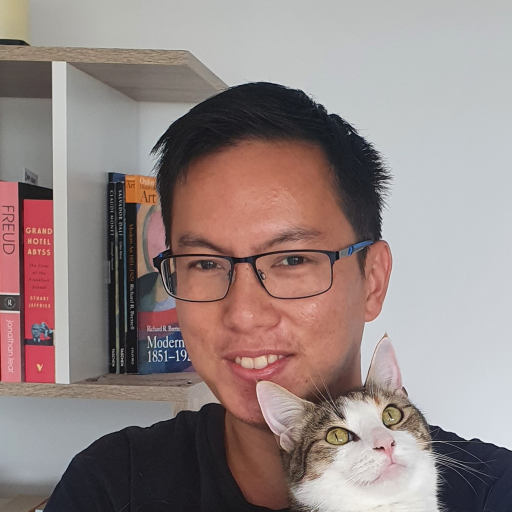
I'm passionate about making higher education more meaningful, authentic, and accessible for learners. I'm based in Melbourne, Australia at La Trobe University. I coordinate the Open Education program of the La Trobe eBureau, where I drive strategic open ed projects and advocacy to empower both teaching academics and professional staff as open practitioners. I'm a Co-Convenor of the Australasian Open Educational Practices ASCILITE special interest group.
You can find my papers and presentations on open educational practices and OERs on my Figshare open repository profile: https://figshare.com/authors/wd/4605358
I encourage you to reuse these in your own context to advance our collective practices.
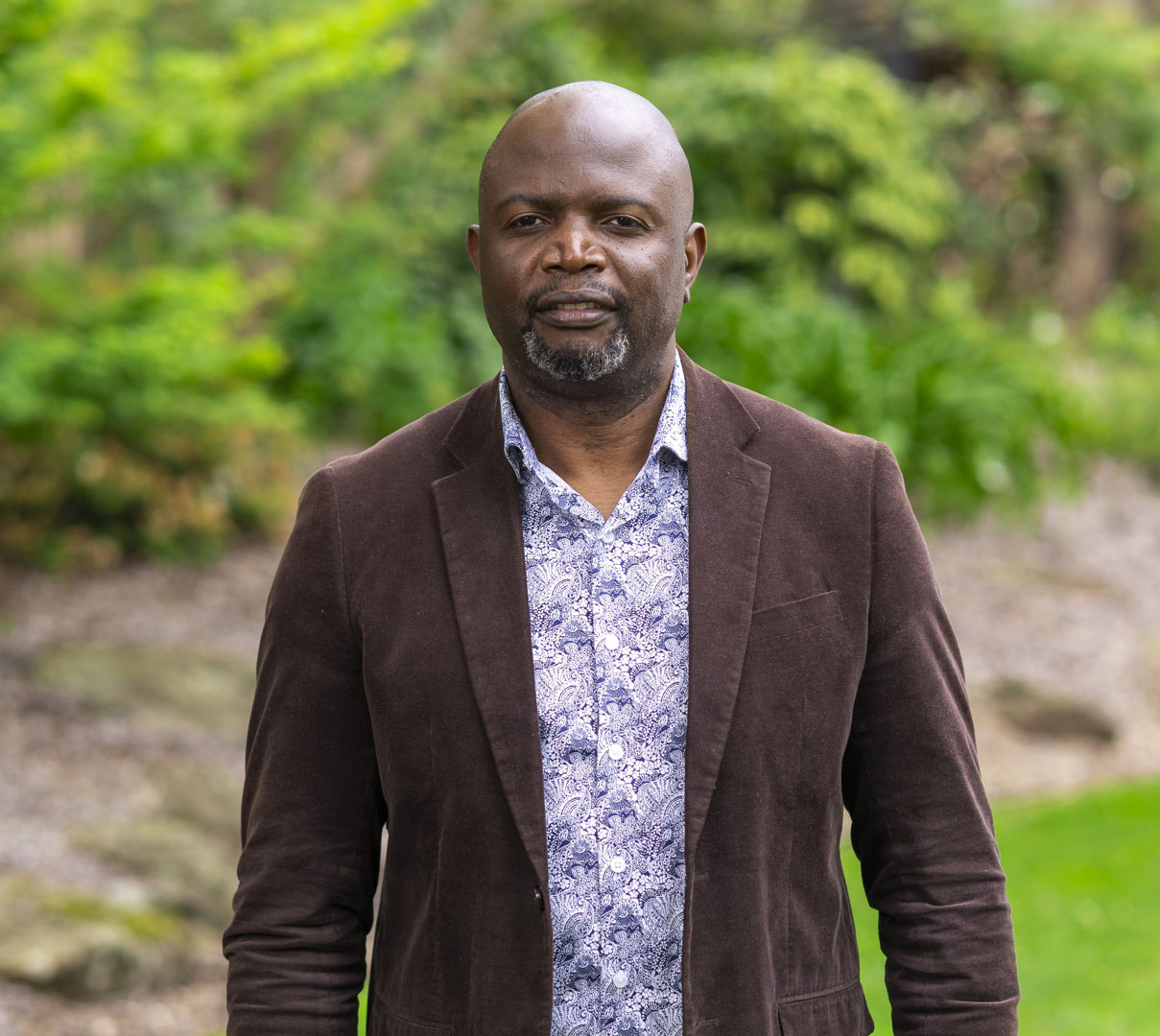
Raymond Tini Raymond Tini is a Lecturer and established OER textbook author at La Trobe University (LTU). Having successfully authored an OER textbook, Raymond has unique insights into the challenges and opportunities of designing unified, high-quality open content. He is particularly passionate about his research on humanising the curriculum using AI, focusing on pedagogical approaches that integrate Social and Emotional Learning (SEL) and ethical reflection into digital resources. Raymond's perspective is vital for the panel, as he addresses how educators can leverage OER's open nature to create purpose-driven learning experiences that combat student disengagement in an AI-impacted world.
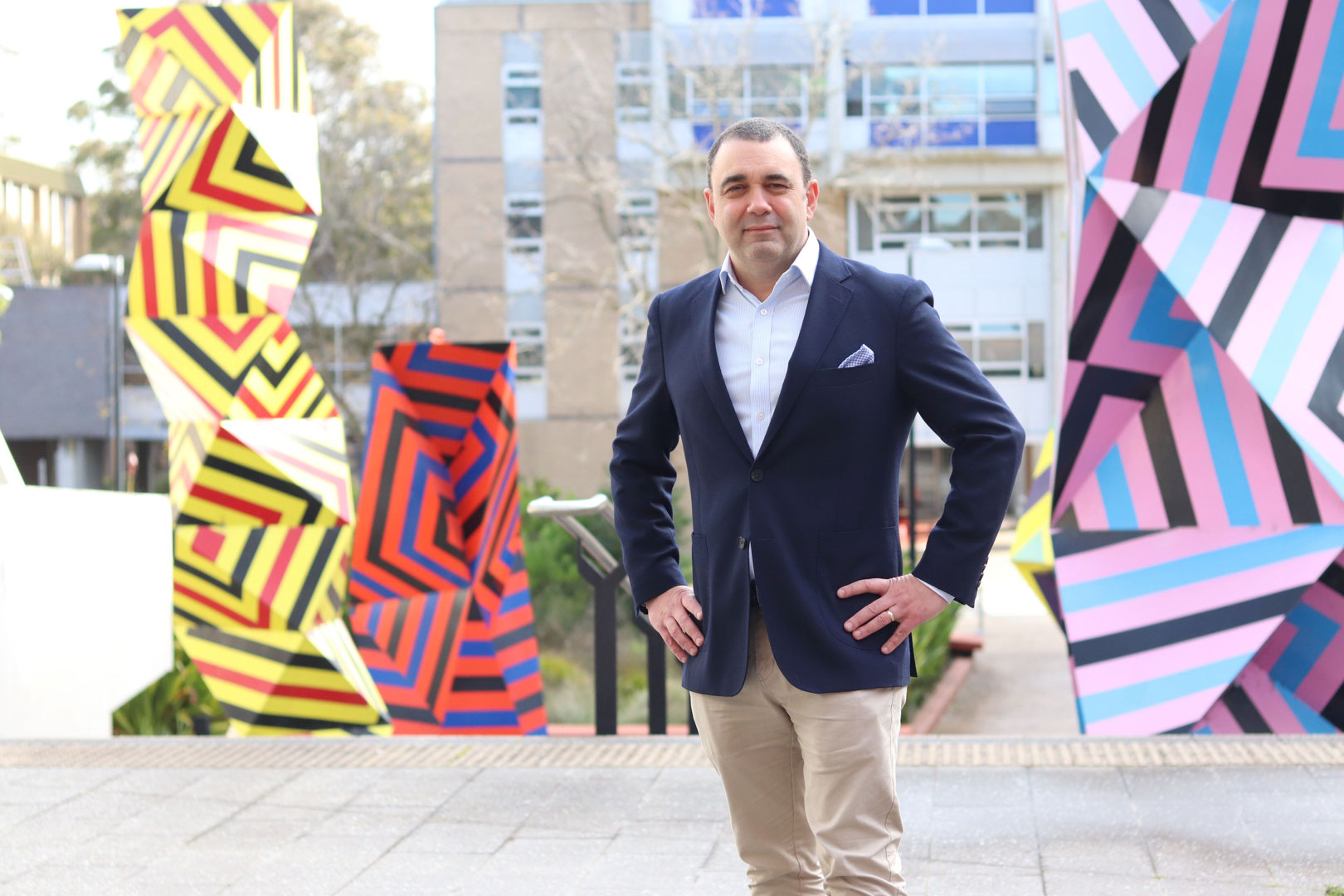
Dr Julian Pakay is a Senior Lecturer in the Department of Biochemistry and Chemistry at La Trobe University in Melbourne, Australia, where he teaches students about both good and ‘bad’ science. He is an advocate for open education and has published two open textbooks to support his students, one on fundamental skills in mathematics and the other on the threshold concepts in biochemistry.