26.11.2025, 01:00–01:45 o'clock (Europe/Berlin), Blue Room
Leeward Community College at Puʻuloa in the ahupuaʻa of Waiawa, on the mokupuni of Oʻahu, has a vision to become a model indigenous-serving institution. Open education is a pathway toward more culturally relevant materials. However, “indigenizing” the curriculum presents challenges, especially when less than ten percent of tenured faculty identify as Native Hawaiians. This raises critical questions: Can settlers effectively indigenize the curriculum? Do they possess the necessary understanding of settler colonialism to deconstruct and dismantle dominant settler narratives? What is the settler’s role in establishing a Native Hawaiian Place of Learning?
The presenters, representing both Native Hawaiians and settlers, will address these questions through the lens of settler colonialism in Hawaiʻi. They will describe their collaborations, including the "Difficult Knowledge Learning Community," a program that brought together Native Hawaiian and settler faculty and staff to learn about settler colonialism. Finally, the session will outline a potential role for settlers in decolonizing the institution.
Beginners, Advanced
Additional information –https://sites.google.com/hawaii.edu/uhccoer/home, https://go.hawaii.edu/Zvm, https://library.leeward.hawaii.edu/difficult-knowledge
Language of the session –English
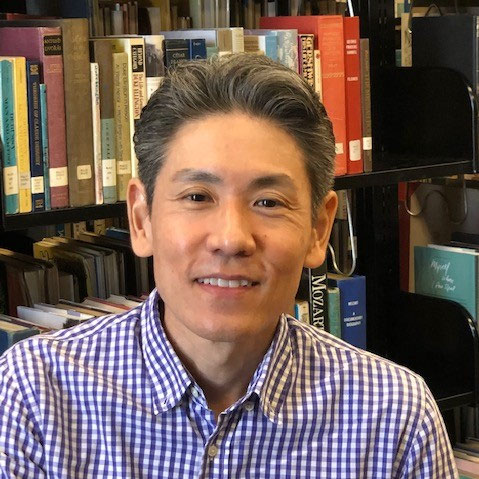
Wayde Oshiro is a professor and library director at Leeward Community College, Hawaiʻi, with over two decades of experience in academic librarianship. Since 2015, he has co-led the University of Hawaiʻi Community Colleges System's OER initiative across seven campuses. He co-chairs the CCCOER Equity, Diversity, and Inclusion Committee, previously served on the Open Education Network Steering Committee, and was a mentor for the OEN Certificate in Open Education Librarianship Program.
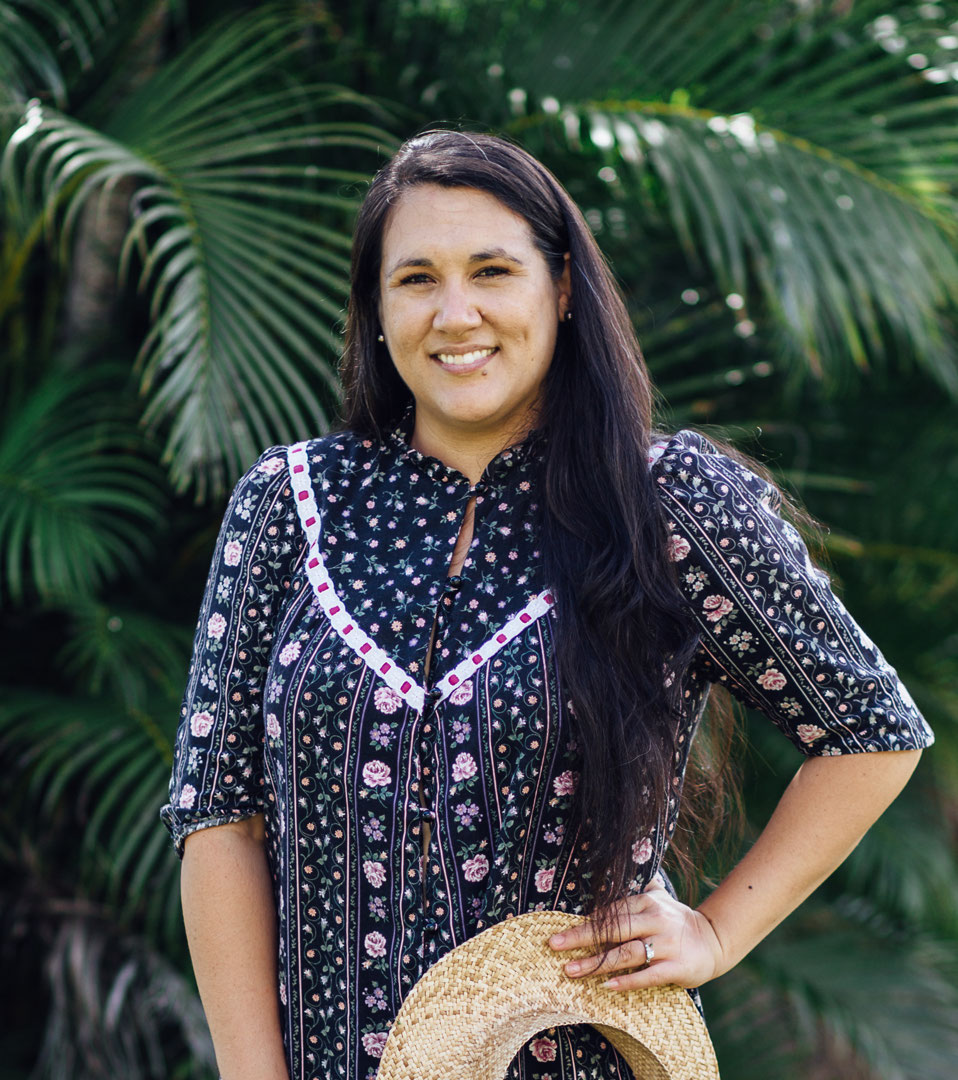
Annemarie Aweau Paikai is the Librarian for the Edith Kanakaʻole Hawaiian Collection at the Edwin H. Mookini Library at the University of Hawaiʻi at Hilo. Additionally, she is a Project Team Lead regarding Hawaiian Language for the Hawaiʻi Knowledge Organization System (HKOS) initiative. She holds a B.A. in Hawaiian Studies from Ka Haka ‘Ula o Ke’elikōlani Hawaiian Language College at UH Hilo and a Master’s in Library and Information Sciences (MLIS) from the University of Hawaiʻi at Mānoa. She is a founding member of Nā Hawaiʻi ʻImi Loa, the professional organization whose mission is to advance Hawaiian knowledge systems, services, and research within LIS. Annemarie’s professional work is dedicated to centering and stewarding ʻike kuʻuna Hawaiʻi (ancestral knowledge), including ʻōlelo Hawaiʻi, within the library profession in Hawaiʻi. She was born and raised as a part of the Hawaiʻi diaspora in the Bay Area, California and currently lives in Keaʻau, Puna on the island of Hawaiʻi alongside her husband, ʻĀina and their two children, Kapālua and ʻEmalia.
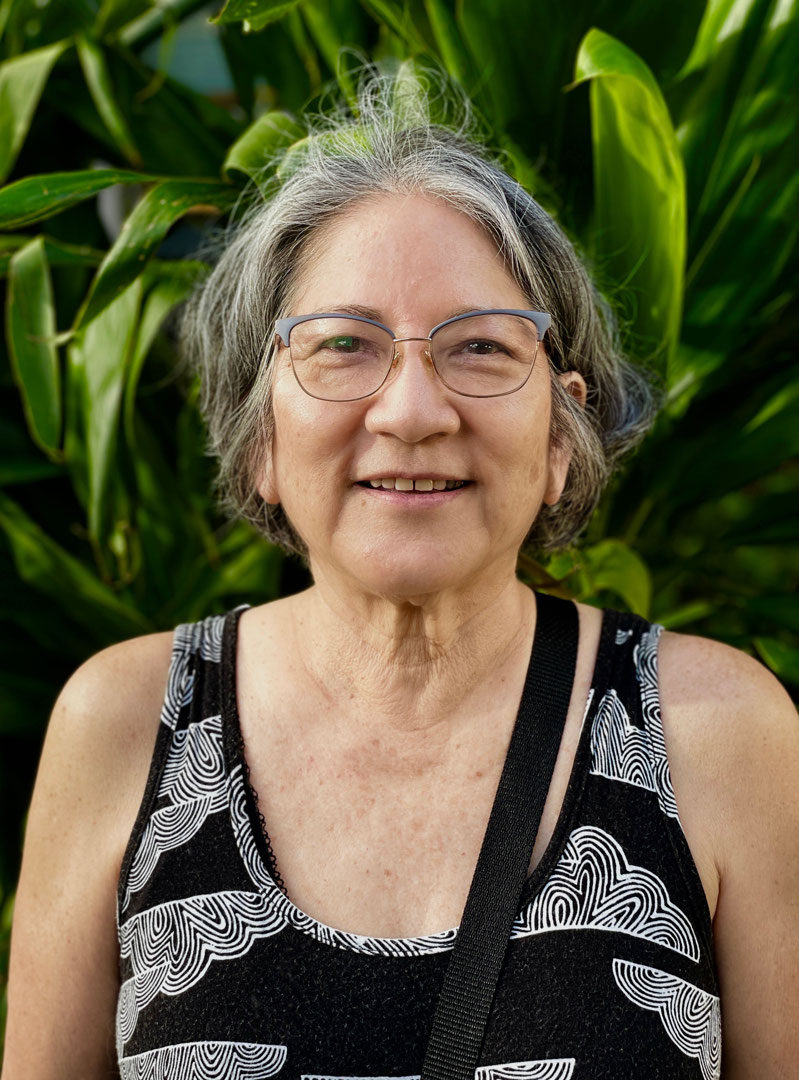
Eiko Kosasa received her PhD in Political Science from the University of Hawai‘i (2004). She is now retired and was the Chair of the Social Sciences Division (2020-2023) and Associate Professor in the Social Sciences Division at Leeward Community College (2010-2023). She taught for 18 years at Leeward, and currently resides in México City.
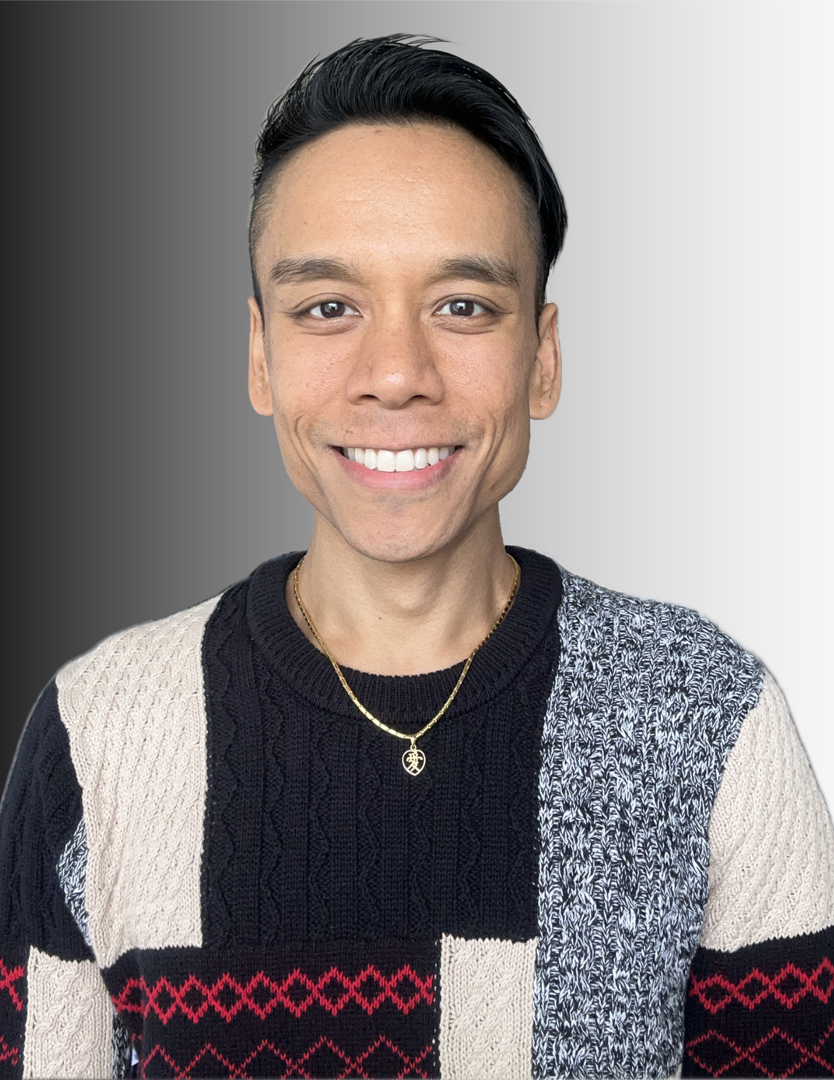
a. kaleikūkamakani ruiz (MSCP) is a Kanaka Maoli (Native Hawaiian), Filipinx faculty member at Leeward Community College on the island of Oʻahu, Hawaiʻi. kalei conducts independent research on indigenous perspectives of gender and sexual diversity, with attention to the global impact of colonization and settler colonialism on LGBTQ+ discourse, especially in Hawaiʻi. In 2022, he created Queerify, a public service project and platform from which he has worked to create opportunities for people to connect with information and one another in hopes of moving communities towards decolonizing the ways we think about our relationships with one another and our bodies. In 2024, he completed a research sabbatical in which he created a free online course, Puka Mai Ke Koʻa, which explores themes of Hawaiian worldview, settler colonialism, and LGBTQ+ discourse.