25.11.2025, 17:00–17:45 o'clock (Europe/Berlin), Plenary Hour
OER offer great potential for inclusive education. They provide free access to learning materials that can be customized and made accessible. Together with our two contributors, we want to explore in this session how OER can contribute to greater inclusion and equal opportunities in an inclusive educational landscape—for all learners, regardless of their origin, disability, or social background. Discover how OER can promote diversity and strengthen inclusive learning spaces!
Lea Schulz, expert in inclusion and special education teacher
Frank J. Müller, professor of “Inclusive education for learning and cognitive development in secondary schools,” University of Bremen
Camila Lima de Moraes, Senior Research and Data Analyst, UNESCO Global Education Monitoring Report
Moderator: Philipp Disselbeck, German Commission for UNESCO
Hier geht es zur Aufzeichnung: https://youtu.be/AMtvQ2go0lA
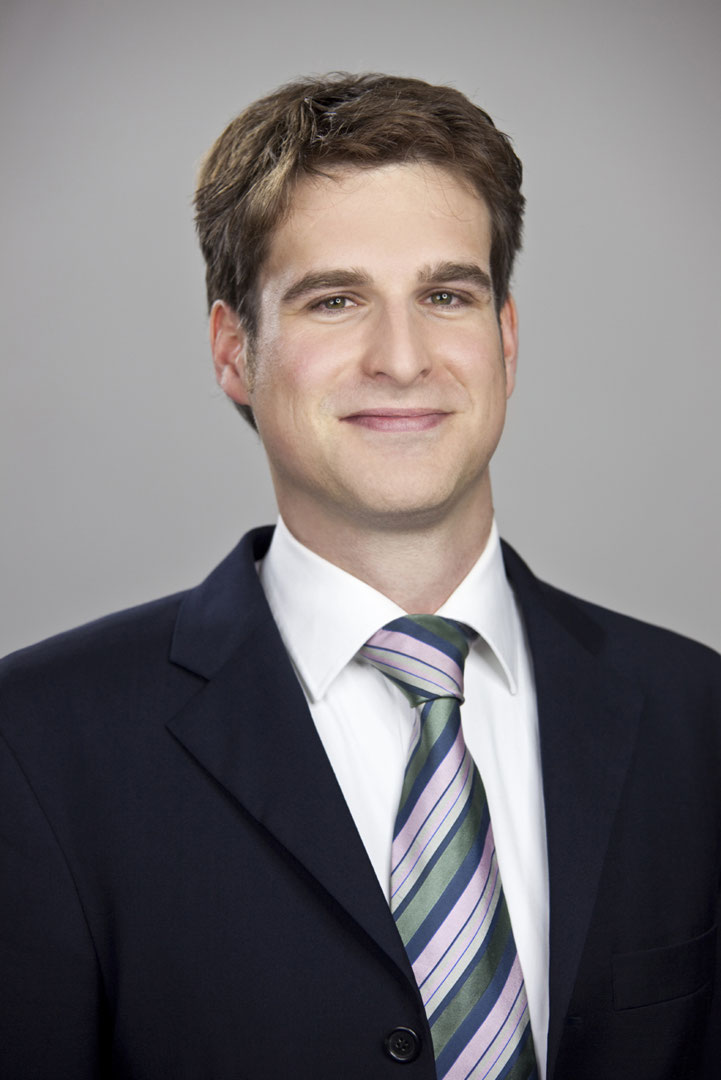
Philipp Disselbeck is a Programme Specialist and Deputy Head
of the Division of Education and Science at the German Commission for UNESCO
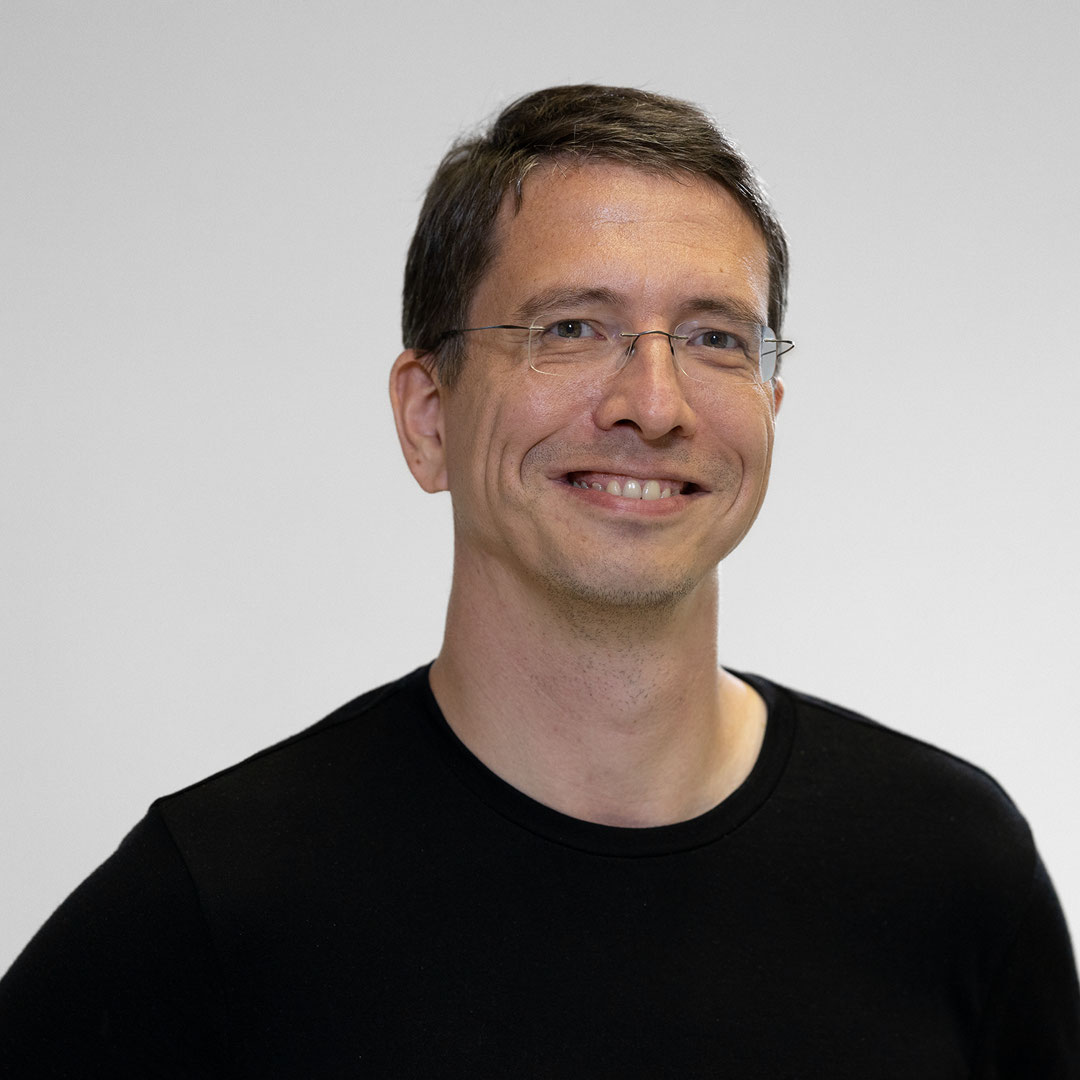
Professor of Inclusive Education
University of Bremen
Prof. Dr. Frank J. Müller’s work centers on inclusive education and the use of Open Educational Resources (OER) to support teachers in heterogeneous learning environments. Building on his experience as a special education teacher at the Grünauer Gemeinschaftsschule in Berlin, he explores how open, adaptable learning materials can foster participation, collaboration, and accessibility in education.
His research and projects address the development of inclusive pedagogical practices, the accessibility of research-based findings, and the integration of multiple dimensions of diversity into teacher education. At the University of Bremen, he is responsible for the study programme Inclusive Education at Secondary Schools.
Selected OER Projects
All Means All – An Open Textbook on Diversity in Teacher Education
In cooperation with the University of Bozen-Bolzano and Maynooth University, this Erasmus+ partnership develops an open textbook that considers various dimensions of heterogeneity in teacher education.
Funded by Erasmus+ and the Internationalisation Fund of the University of Bremen.
🔗 all-means-all.education
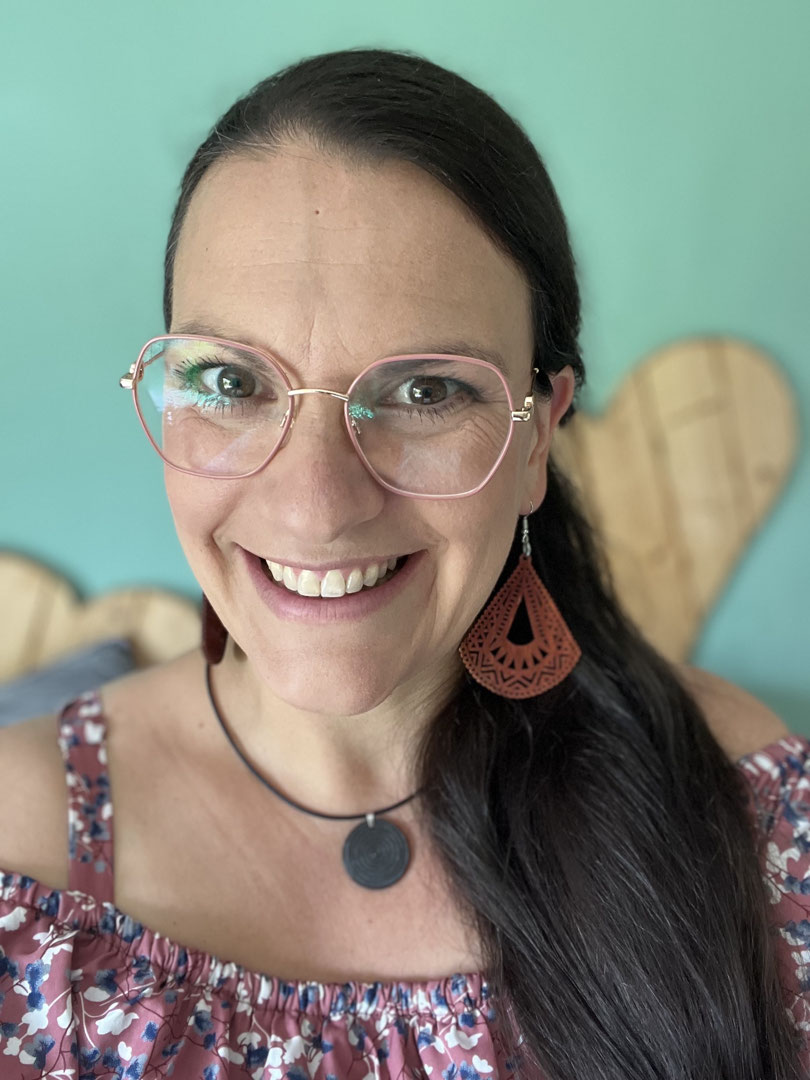
Dr. Lea Schulz is a researcher in the field of Special Education and an expert on Diklusion at Europa-Universität Flensburg, working within the state program Future School in the Digital Age at the IQSH. Her research focuses on the use of artificial intelligence in inclusive education and on developing didactic strategies to overcome educational barriers. Within the Diklusion Network, she collaborates with colleagues to create OER modules for teacher education in a Community of Practice. As a speaker, she gives workshops and lectures across Germany on educational equity and digitally inclusive teaching.
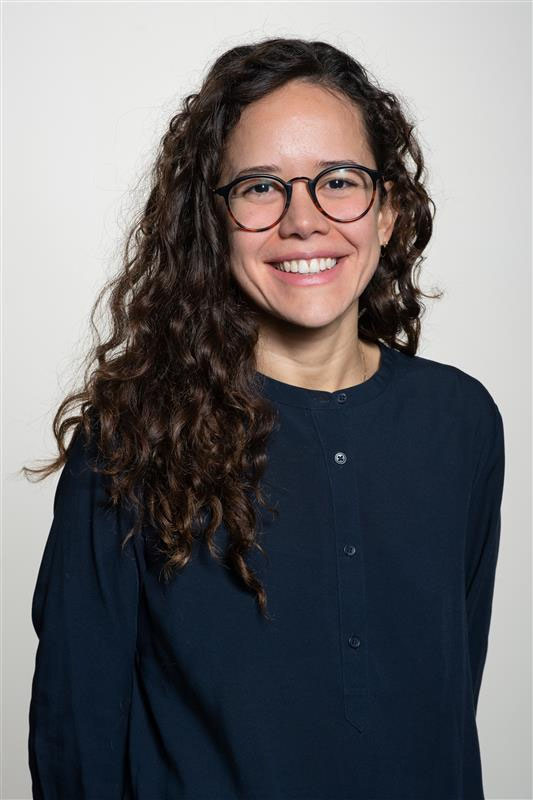
Camila Lima de Moraes is a Senior Research and Data Analyst at the Global Education Monitoring (GEM) Report, where she has been contributing since 2020. She is leading data analysis and policy research to track progress toward Sustainable Development Goal 4 (SDG 4) on education. Camila is also leading the SCOPE website, an online platform that provides key facts and trends in education, covering themes such as access, equity, learning, quality and finance. Additionally, she contributes to the team’s thematic analysis of various education-related topics, including the roles of non-state actors and the impact of technology in education.