25.11.2025, 15:00–15:45 o'clock (Europe/Berlin), Stage One
The UNESCO Recommendation on Open Educational Resources (OER), adopted in November 2019, is highly relevant as the first international standard-setting instrument in this field. It provides a global framework for member states to promote the creation, use, adaptation, and sharing of openly licensed teaching and learning materials. Its relevance stems from addressing major challenges in education and providing a roadmap for leveraging digital technology for equitable and high-quality education worldwide.
The Recommendation calls on member states to develop supportive policies at national and institutional levels to integrate OER into educational systems. This includes creating policies for quality assurance, recognition of OER use, and embedding open practices into curricula and lifelong learning systems.
Within this session we will take a closer look at the implementation, focussing on best practice from three countries:
- OER in South Africa: Strategies, Guidelines and Policies
- The OER Strategy in Germany
- The case of OER implementation at the Open University of Brazil
Click here for the recording: https://youtu.be/Iv1CNwJac4g?si=Njq8WKKsXLEpChVA
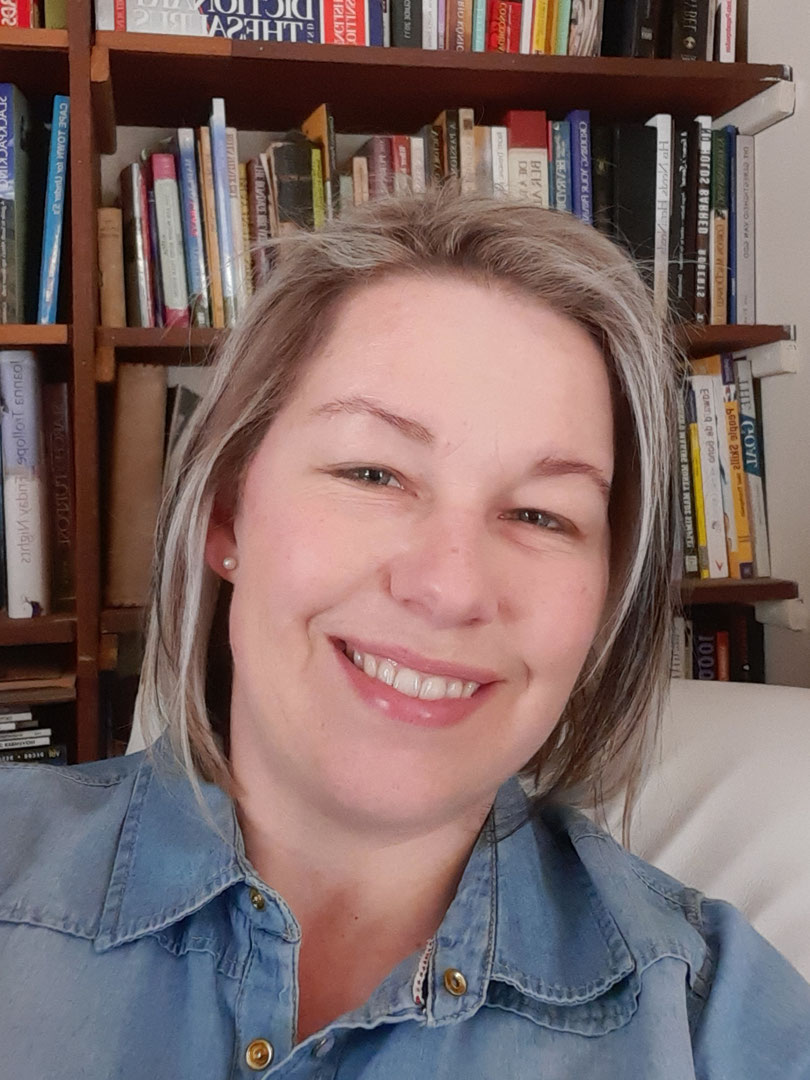
Dorothy Laubscher is an associate professor in the Research Unit Self-Directed Learning, in the Faculty of Education at the North-West University. She holds the UNESCO Chair on Multimodal Learning and Open Educational Resources at the North-West University. She has been working in the field of mathematics teacher education for the past 16 years and has experience in teaching various mathematics education modules. Her research interests include mathematics education, technology-enhanced learning, self-directed learning, open educational resources, and blended and multimodal learning environments to foster self-directed learning. She is involved in various projects that explore open educational practices, technology-supported learning and multimodal learning to promote self-directed learning. She acts as supervisor for post-graduate students and has published on national and international level.
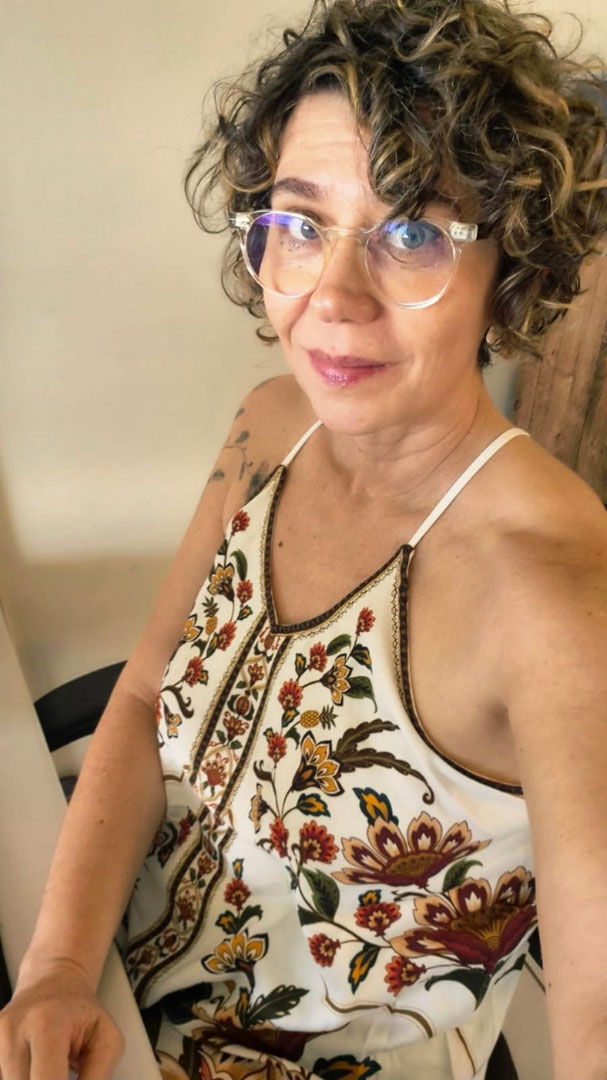
Researcher at the UNESCO Chair in Open Education and Technologies for the Common Good at Brasília University. PhD in Social Sciences and Master's in Communication from São Paulo State University (UNESP), Bachelor's in Computer Science, and Teaching Degree.
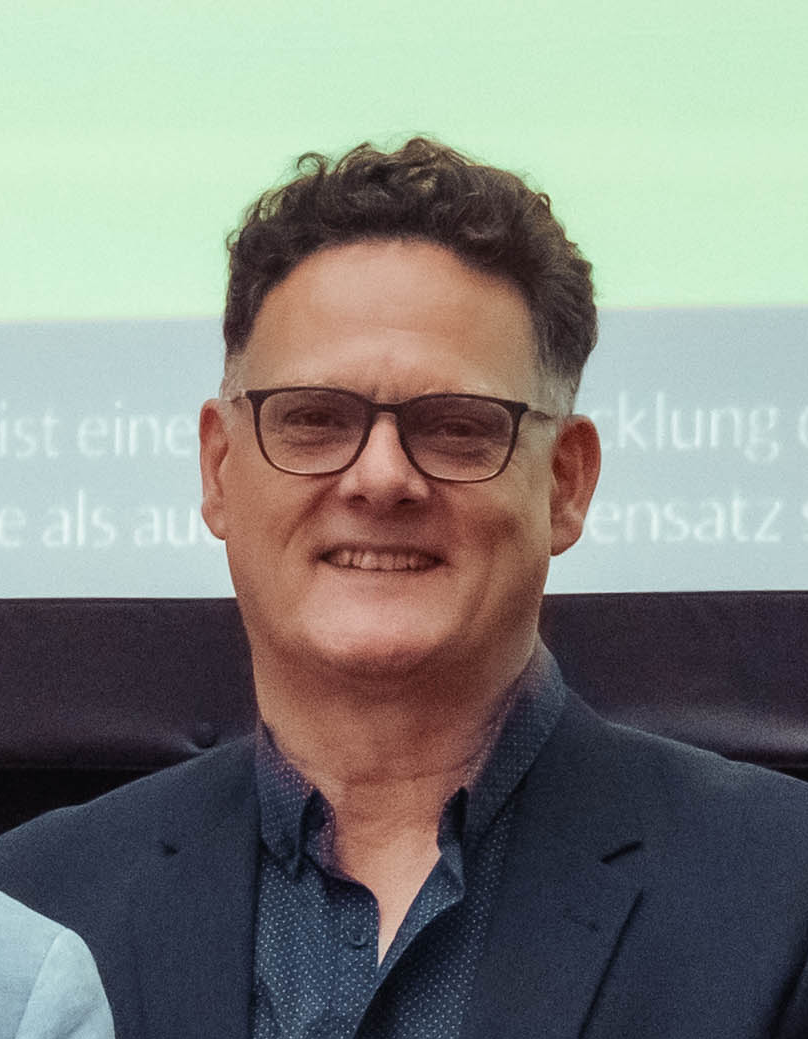
Detlef Reuter is working for the Federal Ministry for Education, Family Affairs, Senior Citizens, Women and Youth, Germany. The ministry announced the Open Educational Resources (OER) strategy in July 2022. This strategy focuses on developing and implementing a sustainable OER-promoting ecosystem, that includes and re-combines technologies, services, and networking opportunities. Find out more at https://www.oer-strategie.de/a-warm-welcome-to-you/
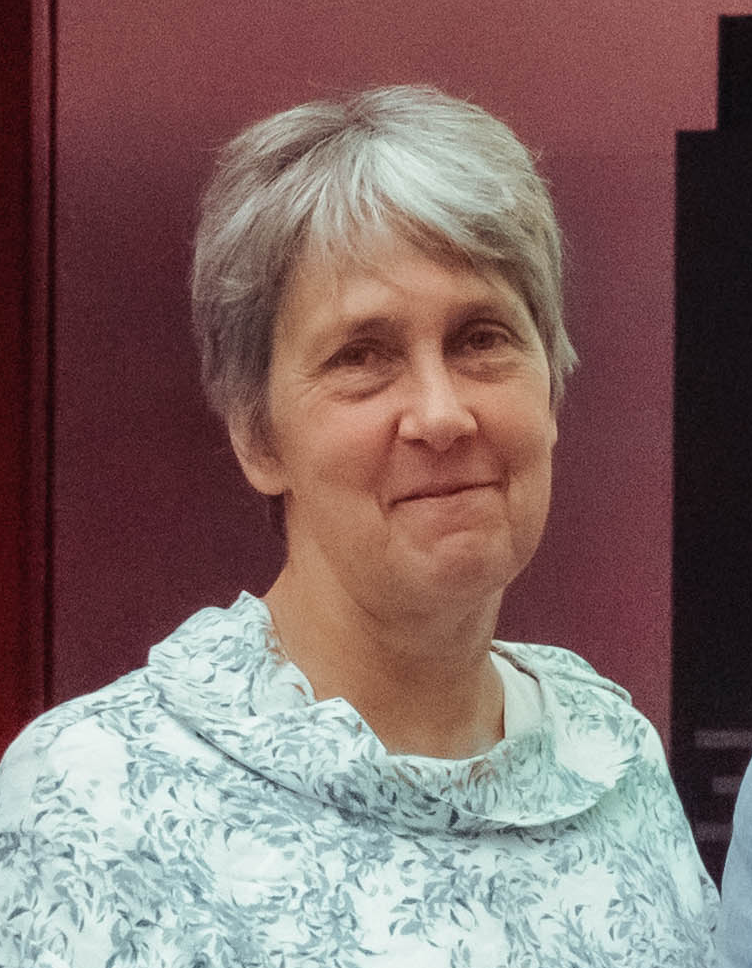
Katja Stamm is working for the Federal Ministry for Education, Family Affairs, Senior Citizens, Women and Youth, Germany. The ministry announced the Open Educational Resources (OER) strategy in July 2022. This strategy focuses on developing and implementing a sustainable OER-promoting ecosystem, that includes and re-combines technologies, services, and networking opportunities. Find out more at https://www.oer-strategie.de/a-warm-welcome-to-you/
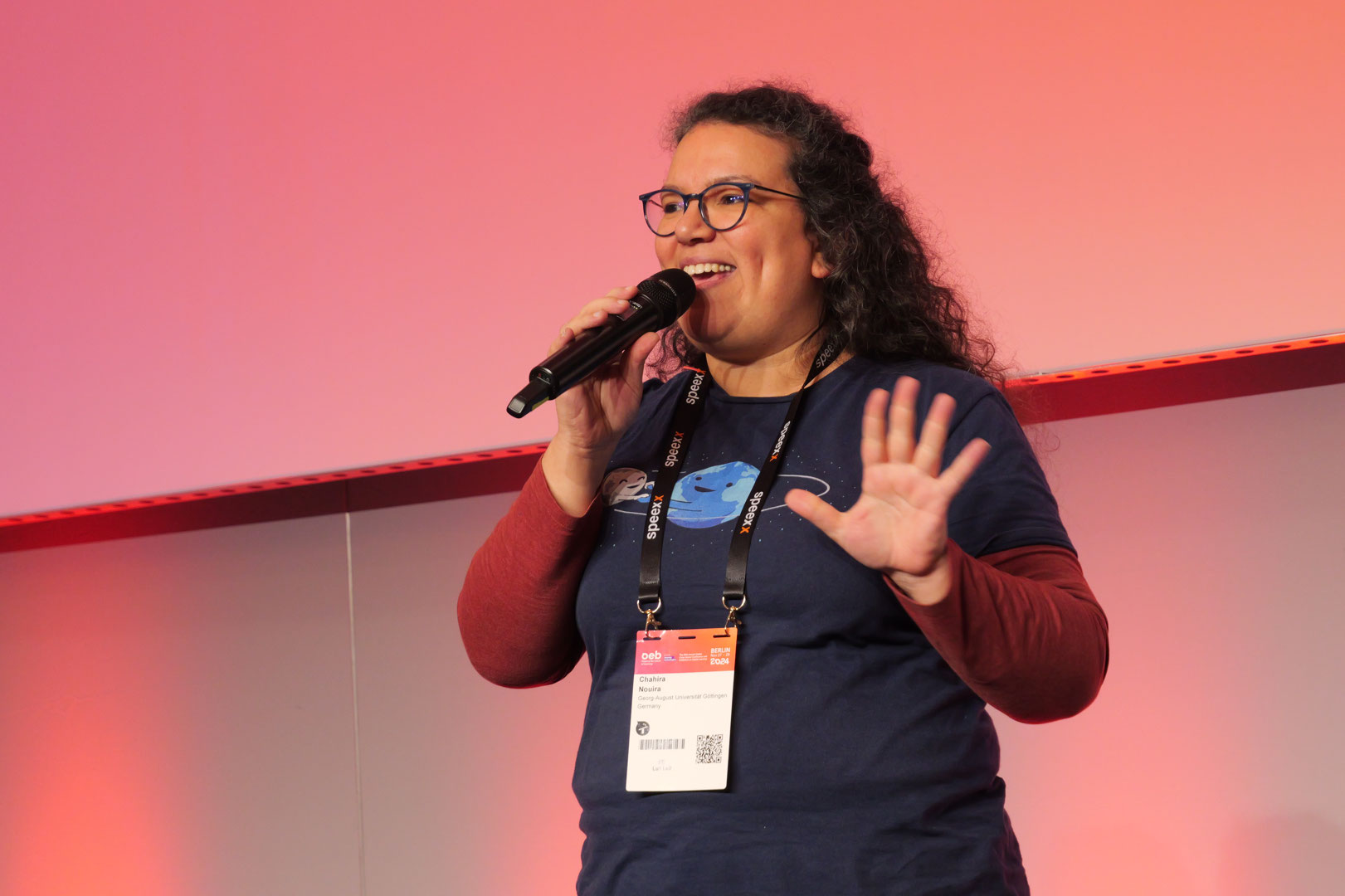
Building meaningful learning journeys, helping learners with digital competences regardless of their affinity with technology and bringing a global and open perspective to the table, since 2007!
- 🔴🎥 Open for the Philippines – OERcamp cOERrespondents from around the wOERld
- 🔴🎥 Open for the Netherlands – It was 20 years ago today
- 🔴🎥 Open for Norway – OERcamp cOERrespondents from around the wOERld
- 🔴🎥 Open for international cooperation! An insider tour of UNESCO’s Activities for OER
- Open for Democracy! “Beyond Cost Savings: Open Education as Resistance” (Rebroadcast from OpenEd24)
- 🔴🎥 Open for Malaysia – Access and Inclusion in Malaysia’s Digital Education Policy