25.11.2025, 18:00–18:45 o'clock (Europe/Berlin), Green Room
Open Educational Resources (OER) are low- or no-cost materials that can be used, reused, and adapted under Creative Commons licenses. Although the use of OER is growing, it has not necessarily benefited learners with disabilities to the same extent. Globally, the participation of learners with disabilities in higher education remains as low as 3% due to several factors, including the lack of accessible resources, limited digital literacy, and financial constraints. Individuals with disabilities are often passive recipients rather than active contributors to knowledge, largely due to limited collaboration between persons with and without disabilities in academic settings. This session aims to highlight how learners with and without disabilities can actively collaborate to support one another, emphasizing the creative and innovative aspects of developing open resources through collaborative practices.
Beginners, Advanced, Professionals
Additional information –World Institute on Disability
Language of the session –English
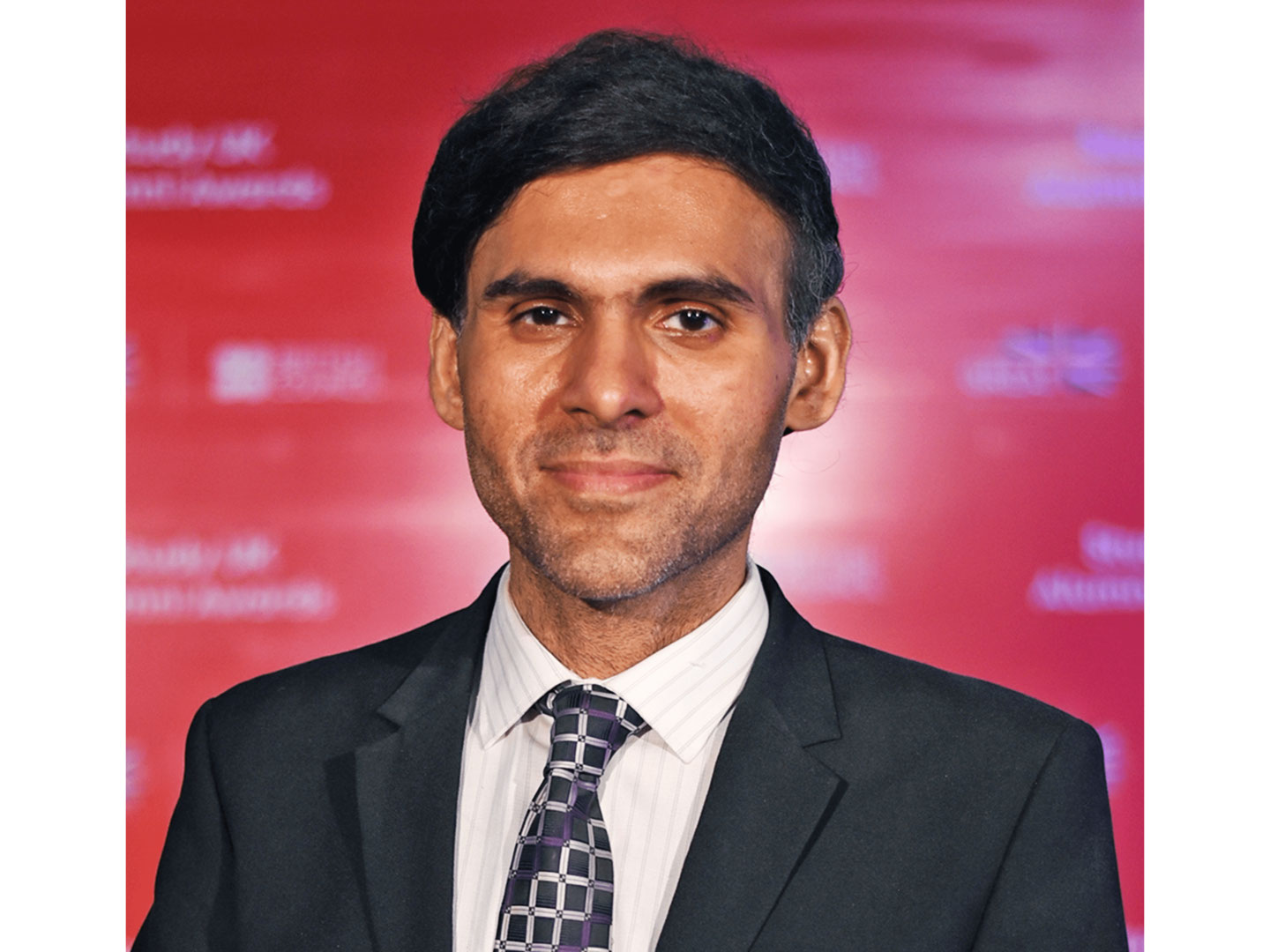
Munir is a teacher, disability leader, neuro-educationist, environmental educationist and an independent global socio-educational theorist. He is a leader in Open Education, Disability Education, Environmental Education, and Artificial Intelligence in Education.
He holds a Ph.D. in Education. Currently, he is an Assistant Professor of Education. He is also a founding Volunteer Director of the Global Forum for Teacher Educators, where he promotes complementary virtual learning opportunities for varied demographics.
Munir has received a few accolades and honors. He has been the recipient of the ASEF Fellowship, WID Virtual Fellowship; Salem State University Honorary Virtual Fellowship, USA; Charles Wallace Trust Fellowship UK (Open University UK); UNESCO APCEIU Micro-Project Fellow, Presidency of Turks and Related Communities (YTB) Research Fellowship at Istanbul Zaim University. Additionally, he received the Commonwealth Distance Education Scholarship 2017 and served as a visiting academic scholar at the ZtG Humboldt University of Berlin and the University of California, Berkeley.
In 2023, Munir won the British Council's Social Impact Award for his educational model titled the socioecoethical model of human rights education.
He has authored several research papers, led international researches, and published six open e-books. Munir has also delivered free guest lectures at various global institutes, including the United Nations Science Summit, The Open University, UK, the School of Education at UC Berkeley, Adult School Berkeley, Northampton University UK, Fudan University, and Leuphana University of Lüneburg, Germany.
He has proposed more than 40 free innovative models, theories and frameworks including Munir's socioecoethical model of human rights education, Munir's permeable digital networking model, Munir's digital taxonomy of learning, Ethical AI Nonuple Model, and coined the term Ethrical thinking, intellectual charity/barter system, and loglocal pedagogy of global education. In research, he introduced the concept of the layered tripartite consent model- an ethrical disposition in research and developmental policy formulation plan, and the Reversible Fluid Approach to Semi-Systematic Review.